
HEREDITY BIOSCIENCES/ WWW.HEREDITYBIO.IN
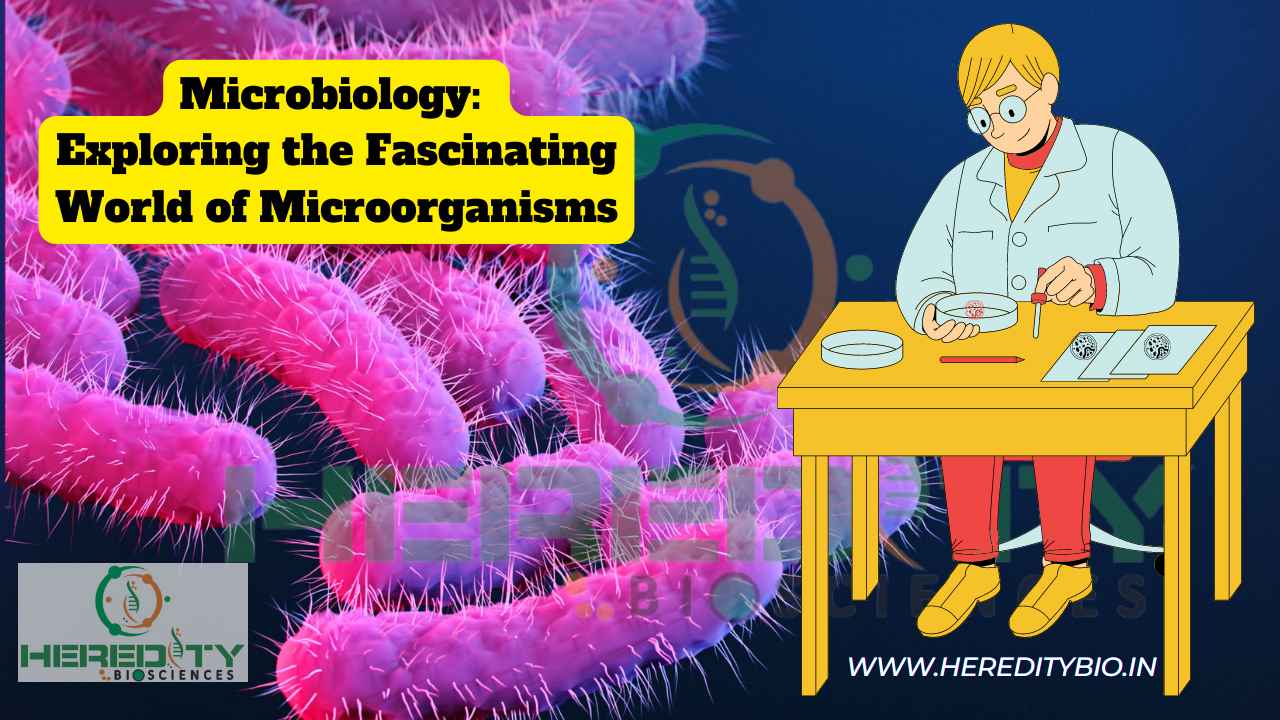
Microbiology is a branch of biology that focuses on the study of microorganisms, which include bacteria, viruses, fungi, protozoa, and microscopic algae. These tiny organisms play crucial roles in various aspects of life on Earth, ranging from disease-causing pathogens to beneficial contributors in ecological processes. In this article, we will delve into the intriguing world of microorganisms and explore their different structures.
- Bacteria: Bacteria are single-celled microorganisms that exist in various shapes and sizes. They can be classified based on their cell shape, including cocci (spherical), bacilli (rod-shaped), and spirilla (spiral-shaped). Bacterial cells typically consist of a cell membrane, cytoplasm, genetic material (DNA), ribosomes for protein synthesis, and a rigid cell wall that provides structural support.
- Viruses: Viruses are unique infectious agents that are not considered living organisms. They consist of genetic material, either DNA or RNA, surrounded by a protein coat called a capsid. Some viruses also have an outer lipid envelope derived from the host cell. Viruses lack cellular structures and can only replicate inside a host cell, using its machinery to produce new viral particles.
- Fungi: Fungi are eukaryotic microorganisms that include yeasts, molds, and mushrooms. Their cellular structure is characterized by a distinct nucleus containing genetic material, membrane-bound organelles, and a rigid cell wall composed of chitin. Fungal cells can exist as single cells (yeasts) or form multicellular structures (hyphae) that make up the filamentous structures observed in molds.
- Protozoa: Protozoa are single-celled eukaryotic organisms that inhabit diverse environments, including soil, water, and the bodies of humans and animals. They exhibit a range of cellular structures, depending on the species. Some protozoa possess a flexible outer membrane, while others have a rigid cell wall. They may also have specialized structures such as cilia, flagella, or pseudopodia for locomotion and feeding.
- Microscopic Algae: Microscopic algae are photosynthetic microorganisms that can be found in aquatic environments, including freshwater and marine ecosystems. They possess diverse cellular structures that enable photosynthesis, such as chloroplasts containing chlorophyll pigments. Algae can exist as single-celled organisms (e.g., diatoms) or form colonial or filamentous structures (e.g., green algae).
Conclusion: Microbiology offers a captivating glimpse into the world of microorganisms and their intricate structures. From the diverse shapes and sizes of bacteria to the unique characteristics of viruses, fungi, protozoa, and microscopic algae, these microorganisms have evolved distinct cellular structures to adapt to their environments and fulfill their biological functions. By exploring and understanding the structures of microorganisms, we gain valuable insights into their biology, interactions, and their impact on various fields, including human health, ecology, and biotechnology.
More information visit our website www.hereditybio.in
Social Medial:
https://www.linkedin.com/in/heredity-biosciences-76137319b/
https://www.facebook.com/hereditybiosciences
https://twitter.com/hereditybiosc1
https://www.instagram.com/hereditybiosciences/
Google map